The Attic presents The Sonic Turn — International Conference · Nov 14–15, 2025
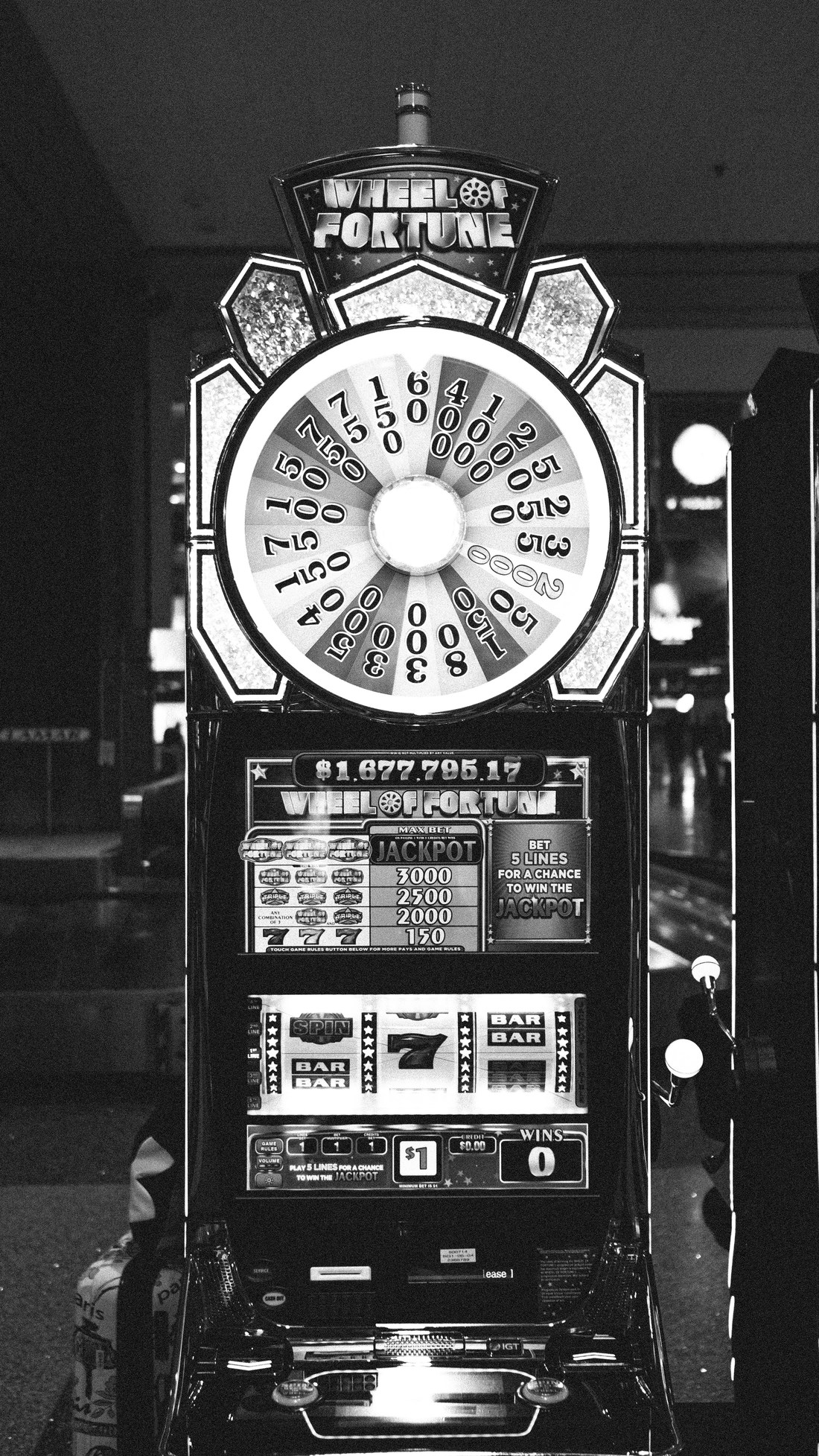
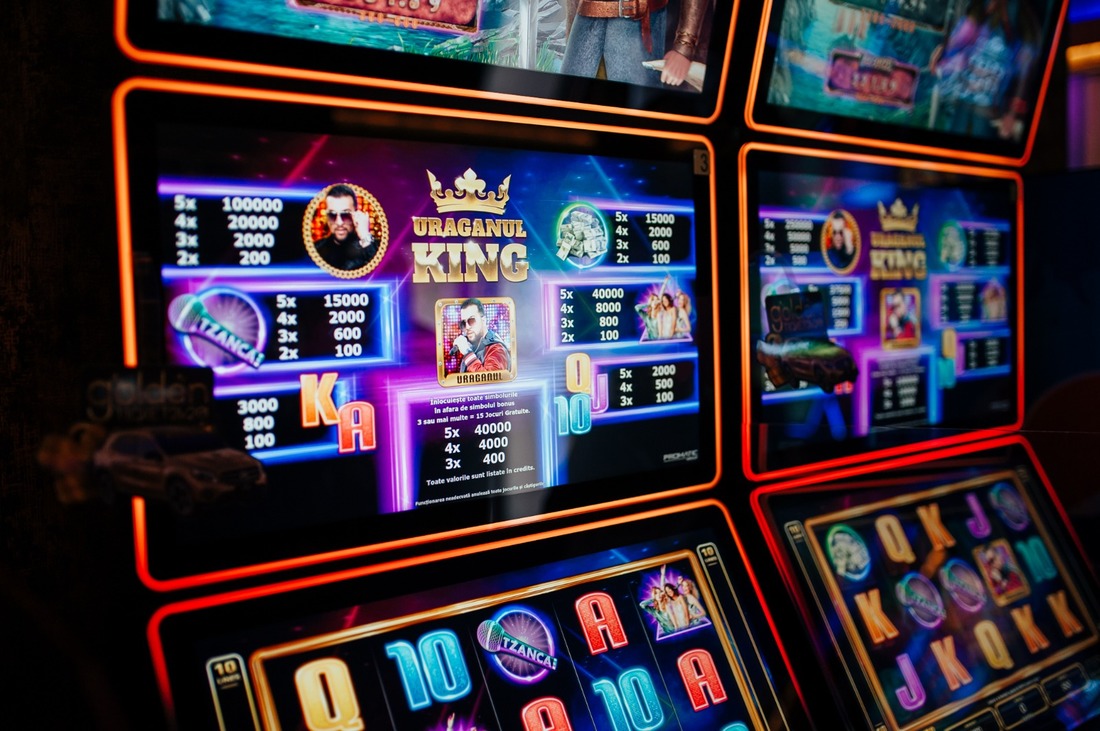
Sounds of Desire: Slot Machines, Dopamine, and the Architecture of Compulsion Photo credits: Las Vegas Games

Sounds of Desire: Slot Machines, Dopamine, and the Architecture of Compulsion

Yesterday16-18 minutes read

Written by:

Dragoș Rusu

Share article:

Introduction

Sound is one of the oldest and most biologically immediate channels through which the brain understands the world and navigates through it. Long before the evolution of modernity’s sophisticated visual systems, auditory processing enabled organisms to detect danger, locate resources, and coordinate social communication. In humans, sound still exerts a powerful influence on attention, emotion, and decision-making, engaging subcortical circuits that encode salience, reward, and threat.

In everyday life, sound permeates experience with a force that is often underestimated and taken for granted, despite its pervasive impact. Sonic environments can shape emotion, cognition, and bodily states in ways both intentional and incidental. Today’s world is saturated with engineered auditory cues, from smartphone notifications, to payment-approval chimes and digital alerts, each crafted to capture attention, signal opportunity, and subtly guide behaviour.

These modern cues coexist with ancient, evolutionarily salient sounds such as rustling leaves, flowing water, or the sudden crack of thunder, forming a continuous spectrum between the natural and the artificial. Within this spectrum lie the sounds of desire: auditory signals that prompt anticipation, modulate physiological stimulation, and direct everyday decisions.

What Sounds Do?

Photo credits: Wesley Tingey on Unsplash
Neural principles underpin the design of many contemporary auditory systems. For example, casino slot machines, smartphone notifications, social-media alerts, and video-game reward sounds all exploit the brain’s sensitivity to novelty, prediction, and reward.

Payment systems operate similarly: the bright ring accompanying an approved card transaction conveys not only technical and financial success but a momentary sense of permission or social inclusion, while the dull, discordant tone of a declined payment introduces embarrassment or exclusion.

Public transit gates replicate this semiotic structure: crisp, high-pitched beeps signal access, while low-pitched error tones function as auditory refusals. Across these contexts, sound becomes a medium of authorization and denial, shaping the emotional texture of daily life.

Digital communication platforms amplify these dynamics. The ping of a message, the soft swell of an email alert, or the familiar tri-tone of a WhatsApp notification carries emotional weight, often signalling connection, validation, or social presence. These brief cues can trigger microbursts of dopamine-driven anticipation, reinforcing cycles of checking, responding, and seeking further stimulation.

Conversely, silence, or the presence of negative tones, may evoke anxiety, frustration, or a sense of exclusion. In this way, auditory design subtly modulates interpersonal perception, digital attachment, and patterns of social engagement.

Layered upon these engineered cues are the broader acoustic ecologies in which everyday life unfolds. Urban environments are characterized by dense, overlapping soundscapes: traffic hums, braking hisses, crosswalk signals, and a continuous stream of mechanical and human noise. These sounds generate a high-arousal ambient state, heightening vigilance, accelerating physiological rhythms and contributing to stress or sensory overload. By contrast, rural and wilderness environments present thin, low-density soundscapes (such as birdsong, flowing water, wind through vegetation or forests), known to reduce cortisol, lower heart rate, and foster calmness. The contrast between loud, saturated urban environments and quiet, expansive natural ones shows how acoustic density modulates emotional and physiological experience.

More recently, artificial soundscapes increasingly started to simulate natural ones, to a point in which the gap between natural and artificial, real and unreal, becomes loose. Rainfall loops in spa centres, ocean-wave soundtracks in meditation apps, ambient music in waiting rooms or forest-ambience recordings in therapeutic settings reflect an implicit cultural recognition that sound can regulate the body, enhance subjective experience, and restore emotional balance.

Taken together, the auditory elements of modern life, from commercial signals to digital notifications, environmental noise and nature-based soundscapes, form a complex ecosystem of motivating, regulating, and affectively charged cues. In this sense, sounds of desire refer not only to the sounds we intentionally seek, but also to those engineered to seek us: sounds that promise reward, convey acceptance, regulate perception, predict and shape behaviour and emotion simply by appearing in our sensory field.

Starting from the audible ecosystem incapsulated in the casino slot machines, this article examines how these sounds operate across multiple domains of contemporary life, how they interact with human psychology and physiology, and how the architecture of our sonic environments continues to sculpt desire, attention, and lived experience. These sounds of desire are not merely cultural artifacts, but potent neurobiological stimuli interacting with profound predictive and affective systems.
Photo credits: Las Vegas Games

The Illusion of Chance

Unlike other industries that had long exploited human vulnerabilities and turned addiction into profit (such as the tobacco or alcohol industries), the gambling industry brings the promise of something extra, something deeper and more profound which is at stake. Long before the contemporary explosion of the gambling phenomena, the human mind was already concerned with fundamental ideas about fate, destiny, chance, gain, and loss. Behind these notions lie a persistent, fundamental illusion that had long troubled the human thought: regardless of who you are—your social class, background, upbringing, or education—there exists a unique opportunity reserved specifically for you; one that destiny itself has granted and that no one can, under no circumstance, take it away.

In defiance of mathematical probabilities and rational scientific calculations, following this teleological way of thinking, we are tempted to believe that, at some point, an “invisible hand” will take from elsewhere and give to us. This invisible hand—fate, or destiny—stands above everything and operates on such a profound level, like a god, ensuring that, sooner or later (though no one knows when), our turn to success will come.

Economist Adam Smith famously used the phrase “invisible hand” in The Wealth of Nations (1776) to describe how individuals pursuing their own interests can unintentionally contribute to the overall good of society. “He is in this, as in many other cases, led by an invisible hand to promote an end which was no part of his intention.” (Smith, 1776, The Wealth of Nations, Book IV, Chapter II). This line refers to the idea that when individuals act in their own economic self-interest, seeking profit, efficiency, or advantage, markets tend to self-regulate, coordinating supply, demand, and resource allocation without direct central control, symbolizing spontaneous order arising from decentralized decision-making.

The mere existence of this chance, however small or infinitesimal, constructs a narrative in the human mind in which luck and misfortune cease to be abstract human inventions and instead become real, empirical and tangible experiences with their own truth value. Functioning according to a reward-based logic, this perspective resembles Christian thought: no matter how sinful one may be, or how many wrongs one has committed, there will eventually come a moment—in this life or the next—when all sins can be forgiven and the sinner soul will eventually be purified. In other words, even if you fail in this life, you will succeed in the next, through faith in God or in certain karmic processes. One must simply believe and pray, and eventually absolution will arrive.
La Roulette in the Casino, from Monte-Carlo, 2nd Serie (ca. 1910) by Georges Goursat [Sem] (1863-1934). Source: metmuseum.org

The Gambler

Fyodor Dostoievski’s novel The Gambler (1866) serves as a psychological study of how gambling can hollow out identity, distort judgment, and entangle personal desire with ruin. He portrays this with striking realism, drawn in part from his own struggles with gambling.

The novel follows Alexei Ivanovich, a young tutor working for a formerly wealthy Russian General’s family in the fictional German resort town of Roulettenburg. Alexei becomes increasingly entangled in the chaotic emotional world of the General, his creditors, and especially Polina Alexandrovna (the General’s stepdaughter), for whom he nurtures a tormenting love. The atmosphere of the town revolves around the roulette tables, where both aristocrats and opportunists chase rapid fortune, creating a sense of constant tension and imminent ruin.

Alexei’s descent into gambling addiction forms the core of the novel. Initially playing roulette as a reckless gesture to impress Polina, he soon becomes consumed by the thrill of risk and the illusion of control. His behaviour grows erratic, swinging between euphoric confidence and despair, reflecting the psychological grasp of compulsion. He convinces himself that winning will resolve his emotional suffering and secure Polina’s affection, yet every victory only accelerates his obsession.

As Alexei’s addiction intensifies, so do his behavioural problems and emotional instability. He alienates those around him, oscillating between bravado, impulsiveness, and self-destructive loyalty. His fixation on Polina (who herself is trapped in manipulative relationships and financial uncertainty) keeps him in a cycle of humiliation and hope. By the novel’s end, Alexei is left wandering Europe, still chasing the roulette wheel despite having lost love, stability, and self-respect.

Dostoevsky’s involvement with gambling began in 1863 during his first visit to the Wiesbaden gaming tables, marking the start of nearly a decade of compulsive play. Between 1863 and 1871 he frequented the casinos of Baden-Baden, Homburg, and Saxon-les-Bains, typically experiencing the same destructive pattern: “beginning by winning a small amount of money and losing far more in the end.” His initial enthusiasm is visible in a letter written to his first wife's sister on September 1st 1863, in which he confidently described what he believed was the key to success at roulette. He insisted that gambling could be mastered through discipline, claiming: “I possess the secret of how to win… merely a matter of keeping oneself under constant control and never getting excited… you just can’t lose that way and are sure to win.”

This early illusion of control collapsed almost immediately. Within a week Dostoevsky had lost all his winnings and was forced to appeal to his family for financial help. Writing to his brother Mikhail on 8 September 1863, he confessed how quickly his so-called “system” failed. After winning “600 francs… suddenly I started to lose, couldn’t control myself and lost everything.” His account reveals impulsive, addictive behaviour: “I was carried away by this unusual good fortune and I risked all 35 napoleons and lost them all… In Geneva I pawned my watch.” These letters offer a rare, direct window into the emotional volatility and loss of control characteristic of his gambling addiction.

The biographical consequences of these financial crises were profound. Desperate for income, Dostoevsky entered into a perilous contract with the publisher F. T. Stellovsky, agreeing to produce a full-length novel by 1 November 1866 or forfeit publishing rights to all his works for nine years. To meet this deadline, he relied on an innovative collaboration with Anna Grigorevna Snitkina, a 19-year-old stenographer. Dictating sections of the story to her while she transcribed and organized them, Dostoevsky managed to complete the manuscript in time. This achievement ultimately shaped both his literary career and personal life, as Anna later became his wife.
Photo credits: Las Vegas Games

Slot Machines – From Bliss to Despair and Back

In commercial and digital settings, sound is deliberately crafted to evoke pleasure, urgency, or reward. Casino slot machines, for example, employ a palette of bright, celebratory tones, engineered to create excitement and elevate immersion even when the player experiences net losses, offering one of the most intensively engineered examples of sonic desire.

Research by Dixon et al. (2010, 2014) shows that celebratory win sounds, even during net losses, amplify arousal and distort reward perception, contributing to the immersive state gamblers describe as “the zone” (Schüll, 2012). The slots’ celebratory jingles, harmonic arpeggios and cascading tones are built to exploit reward-prediction circuitry, producing micro-rewards even in the absence of true financial gain. As we will further explore, neuroscience research shows that these cues amplify dopaminergic firing, especially when paired with visually salient animations or near-miss outcomes.

The ability to respond appropriately to unexpected events is crucial for survival because such events can signal potential rewards or threats. In a recent paper published in 2024 in the Nature Communications journal, researchers at Yale University Gloria W. Feng & Robb B. Rutledge tested whether unexpected, task-irrelevant sounds could influence decision-making, using a large sample (about 1,600 participants across seven experiments). “Many of us might have the intuition that hearing an unexpected sound would be distracting, that it might lead to errors or a loss of focus,” said Rutledge, an assistant professor of psychology in Yale’s Faculty of Arts and Sciences and senior author of the study. “But when we think about the neurobiology, we know that dopamine plays a role in decision-making and a surprising sound leads to a short burst of dopamine.” That’s because the sound may indicate something important, said Rutledge, like something rewarding. When we make a decision, short dopamine bursts may be involved, in part, because the brain is weighing how rewarding the options are.

Before choosing between a “safe” and a “risky” option in a decision task, participants heard a short sequence of tones. In some trials the final tone was “rare” (unexpected), in others it was “common.” The core question was: would those “rare / surprising” sounds, though unrelated to the decision, change participants’ likelihood to take risk? On average, participants were about 4% more likely to choose the risky option after hearing a surprising (rare) tone compared to a common tone. The same rare-tone events also increased the likelihood that participants would switch away from their previous choice; that is, they were less likely to perseverate (repeat the same choice) after a surprising sound.

These behavioural effects did not appear to be due to simple “noise” or distraction: computational modelling indicated the effects could be best explained by a value-independent risky bias (increased propensity for risk) and a decision bias affecting choice repetition, both parameters previously linked to activity of the neurotransmitter Dopamine. When tone sequences were balanced (rare and common equally likely) or fully predictable, the “surprise”-driven effects disappeared, supporting the conclusion that unexpectedness of the sound (not mere presence of a sound) drives the effect.

The study provides compelling behavioural evidence that unexpected auditory events can shape risk-taking behaviour, and it presents a plausible dopaminergic interpretation supported by existing literature. Nevertheless, without direct neurobiological measurements, the causal role of dopamine remains inferential. The modest effect size and laboratory specificity invite caution in generalizing to real-world decision-making. Even so, the research highlights an underexplored but potentially important phenomenon: the subtle ways in which everyday sensory experiences may unconsciously influence judgment, risk preference, and behavioural flexibility.

Another recent study (2025) titled Effects of Audiovisual Cues on Game Immersion during Simulated Slot Machine Gambling and published in the Journal of Gambling Studies, examined whether audio-visual cues, typical of modern slot machines, influence the subjective experience of immersion during gambling. According to the authors (Fiza Arshad, Mario A. Ferrari, W. Spencer Murch, Mariya V. Cherkasova, Eve H. Limbrick‑Oldfield, Catharine A. Winstanley and Luke Clark), design features of slot machines “may influence these experiences, potentially interacting with personal risk factors for disordered gambling.”

To test this, 156 undergraduate students played a realistic slot-machine simulation inside an authentic cabinet. The researchers manipulated the intensity of audio-visual feedback (three conditions: Minus, Intermediate, Plus) and afterward used a validated “game immersion questionnaire” to measure how absorbed participants felt.

The Intermediate audio-visual cue condition led to significantly greater reported immersion than the Minus condition (p < 0.05). As the authors note: participants in the Minus condition “reported 12.3% lower immersion scores than those in the Intermediate condition.” Surprisingly, the Plus condition (maximal audio-visual intensity) did not produce the highest immersion; in exploratory models, some individuals reported lower immersion under Plus. Personal factors mattered: higher scores on the Problem Gambling Severity Index (PGSI) predicted greater immersion across all conditions (p < 0.001). A gender × Cue interaction was observed: among women, immersion was significantly higher in the Intermediate condition compared to Minus or Plus; this pattern was not observed for men.

This study supports the idea that game design, specifically audio-visual feedback, plays a crucial role in shaping gamblers’ subjective experience of immersion, which is often associated with problematic gambling behaviour. The fact that immersion was highest with intermediate, not maximal, levels of sensory stimulation suggest a non-linear relationship: too little stimulation under-engages the gambler; too much may reduce the perceived immersion or overwhelm the experience, possibly because of sensory overload or cue saturation.

Moreover, the influence of personal risk factors (high PGSI, psychological distress) indicates that some individuals are more susceptible than others to immersive effects. This underscores the interaction between “product” (slot machine design) and “person” (vulnerability factors), a theme often highlighted in gambling-harm research. In regulatory and public-health terms, the findings imply that audio-visual features should be considered not as mere decoration, but as core structural design elements that can enhance immersion and potentially contribute to gambling harm.

Early empirical work focused less on “immersion” per se and more on arousal and reinforcement produced by slot-machine sights and sounds. Dixon and colleagues showed that “losses disguised as wins” (LDWs) – outcomes where you win less than you wager – still trigger strong physiological arousal when accompanied by celebratory graphics and sounds. These LDWs have been described as net-loss outcomes “disguised by flashing graphics and high-fidelity winning sounds”, and are thought to inflate the perceived win rate.

More recent theory work by Murch & Clark (2021) explicitly conceptualized immersion in EGMs, describing the “slot machine zone” as a “trance-like state of diminished attention to time passing and gambling-irrelevant events”. They proposed the Gambling Immersion model, where structural features (like audio-visual cues, bet structure, speed of play) interact with individual vulnerabilities (e.g., impulsivity, gambling problems) to produce deeply immersive states.

Together, this body of research shows that immersion arises from the interplay of engineered design elements and player vulnerabilities. Audio-visual cues are not merely cosmetic; they meaningfully shape players’ perceptual and emotional states, influencing engagement and potentially contributing to gambling-related harm. The emerging consensus suggests that immersion is maximized not by overwhelming sensory stimulation but by carefully calibrated cue intensities, which may optimize attentional focus and reward processing. As such, contemporary regulatory and harm-minimization efforts increasingly view audio-visual design as a key structural feature warranting oversight.
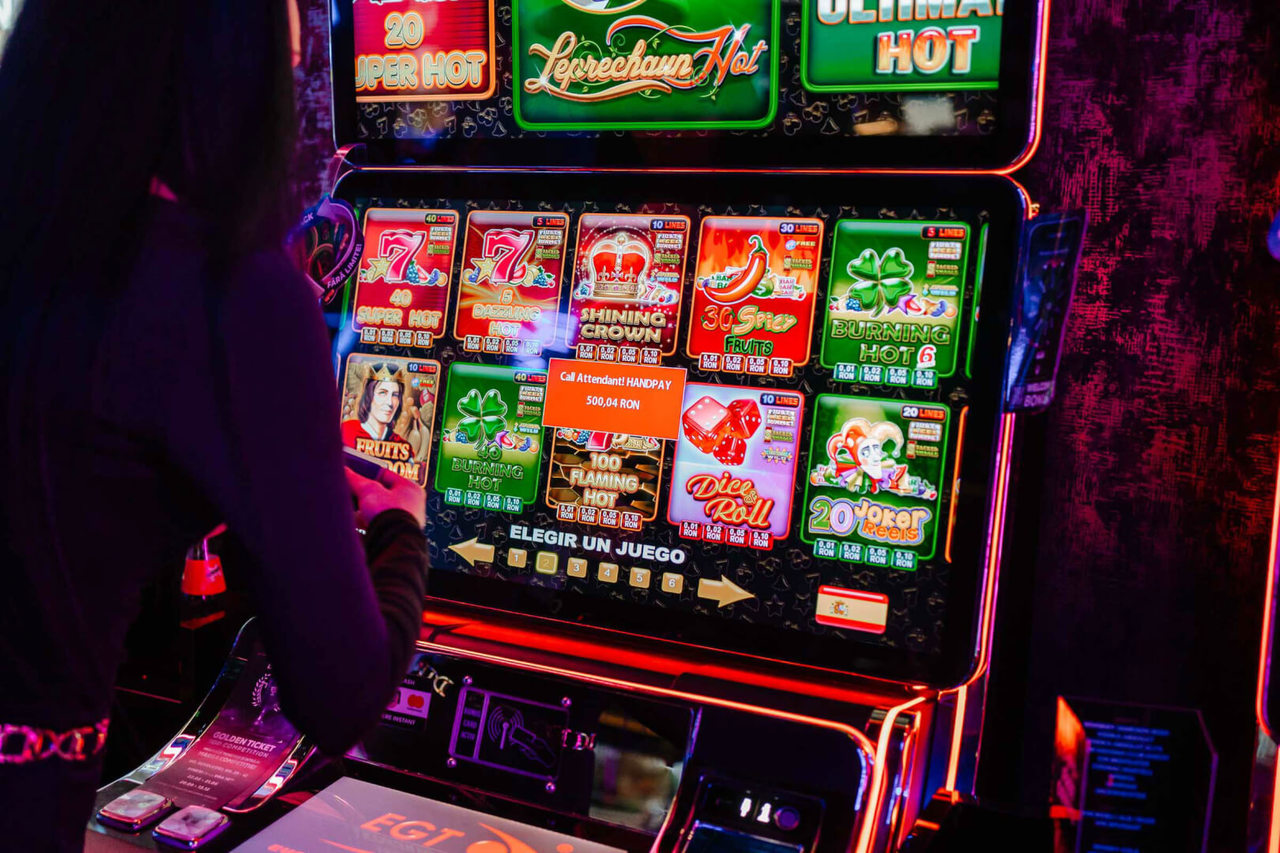
Photo credits: Dan V / Unsplash

Gambling in Romania

The gambling industry in Romania is rich and complex. With few notable exceptions, it lacks a systemic, critical analysis, not only from an economic perspective, but from the social, cultural, territorial and psychological effects on individuals and communities.

In 2025, the gambling industry in Romania remains heavily unregulated, yet increasingly shaped by tightened state control and regulatory pressure. Under the oversight of Oficiul Național pentru Jocuri de Noroc ONJN (National Gambling Office), operators of both land-based and online gambling must hold valid licences (Class I for B2C operators, Class II for B2B providers) to be legally allowed to offer games of chance, from slot machines and casino games to online betting and poker.

Recent legislative changes crystallized in Law 141/2025, which raised authorisation fees, increased financial guarantees for operators, and introduced stricter oversight, reporting obligations and traceability for both land-based gaming equipment and online platforms. These reforms come alongside broader 2024 and 2025 amendments, including geographic restrictions on slot-machine halls (banning them in towns under 15,000 inhabitants) and new rules aimed at prevention of fraud, money laundering, and under-age gambling.

Amid this regulatory tightening, the platform Joc Responsabil plays a central and contested role. Officially presented as the leading industry-backed effort for prevention and support, the organization offers public awareness campaigns, psychological counselling, self-exclusion tools and outreach for vulnerable players.

In practice, however, the model often ends up shifting the burden of “responsible gambling” onto individuals themselves. Instead of structural reforms that limit exposure, reduce predatory marketing, or restrict access (systemic measures that could address root causes), the focus remains on personal self-control, self-monitoring, and personal accountability. Thus, it becomes the individual player who must navigate temptation, control impulses, and seek help if needed.

Viewed through a broader lens, this dynamic reflects deeper traits of contemporary capitalism and the ethos of individualism. Under capitalism, market expansion and profit imperatives drive the proliferation of gambling venues and online platforms; the state regulates, but also profits via taxes, fees, and guarantees. Meanwhile, individuals are depicted as autonomous actors responsible for their own choices. The social narrative emphasizes personal responsibility over structural inequality, moral hazard over systemic risk. The result is a societal framework where gambling is legal, widespread, tightly regulated, in a way that places the moral and practical burden of harm prevention on the individual consumer rather than on industry or state. The emphasis is not on limiting supply or exposure, but on educating each person to “play responsibly.” In this way, late stage capitalism shifts risk and responsibility downward: from institutions to people; from structural factors to individual behaviour.

Teritoriu • Bani • Dependență (Territory • Money • Addiction) is a Romanian multidisciplinary research project formally launched in October 2024. The project frames the phenomenon of gambling through three interlinked dimensions: “Territory,” “Money,” and “Addiction”. It seeks to investigate how the proliferation of gambling venues intersects with socio-economic vulnerability, and how aggressive advertising and accessibility contribute to risking addiction among already disadvantaged groups. Through reportage and sociological inquiry, the resulted materials evoke various systemic problems: from advertising and media practices deliberately blurring moral boundaries (presenting gambling as harmless entertainment while masking its potential harms), to the urban spread of gambling spaces. The project explicitly addresses gambling addiction, its psychological and social consequences, and the degree to which for many individuals the “game” ceases to be entertainment and becomes a harmful compulsion. Gambling in Romania is no longer a marginal phenomenon, but a social problem with public health implications, particularly so given the industry’s rapid growth in recent years.

As project collaborators note, this kind of “radiography” of the gambling phenomenon, dealing with territory, money, and addiction, is overdue in Romania. The project helps destigmatize conversations about gambling addiction, giving voice to affected individuals and communities, while also raising questions about the ethics of aggressive marketing of gambling, the social responsibility of media and advertisers, and the need for greater regulation and prevention.

But what about the gambling industries from other countries, more egalitarian and centred on the protection of its citizens? An “extreme” case could be Norway (or Sweden), although the comparison between the situation in Romania and that in the Nordic states may seem far-fetched at a first glance, for obvious reasons. But a closer inspection may reveal several examples of good practice.

The gambling sector in Norway remains under a strict state monopoly. Compared to Romania, where there are tens of private and state operators, in Norway only two state-owned operators are legally permitted to offer most forms of gambling: Norsk Tipping (lotteries, sports betting, online games, number games) and Norsk Rikstoto (horse-race betting). All other commercial, private, or offshore operators are generally banned from offering gambling services to Norwegian residents. The gambling regulation is governed by a set of core laws (including the Lottery Act, the Gaming Scheme Act / Gambling Act, and the Totalisator Act), which together establish the monopoly framework and strict licensing prohibitions. The regulator, Norwegian Gaming and Foundation Authority (Lotteri- og Stiftelsestilsynet), oversees licensing, compliance, and enforcement, including blocking foreign gambling websites and restricting unauthorized payment processing.

In 2025, the model remains politically supported: while there is public and political debate, as well as occasional criticism of regulatory failures, the state monopoly continues to be defended as a means to ensure safety, consumer protection and social reinvestment of gambling profits. These profits from Norsk Tipping and Norsk Rikstoto are directed toward public services, such as culture, sports and social projects, aligning gambling with public welfare rather than private profit motives.
Photo credits: Las Vegas Games

Inside the Soundscape of a Casino

In Bucharest alone there are 163 casinos in which one could find more than 665 slots and gaming machines. Even if after the pandemic the online gambling industry has exploded, moving from the physical realm into a virtual one, these places remain traps for players who seek rapid wins. For the purpose of this article, I recently went into a casino in Bucharest for practicing what anthropologists call the so-called participant observation.

The moment I push through the revolving, dark doors of a Casino in Bucharest, the sounds hit me first: warm, bright, layered. It’s like stepping into a living machine made entirely of noise. The hum of the casino wraps itself around me before my eyes fully adjust to the lights. I can feel the sound more than I hear it, a vibrating density in the air that seems to settle in my chest.

To my left, I pass a row of Cleopatra™ slots. They greet me with soft Egyptian chimes, subtle harp glissandos that sparkle every time someone stops the reels. And then it happens—the machine erupts with that iconic call: “Cle-o-pa-tra!” The voice is smooth and theatrical, cutting through the ambient noise just enough to make my head turn. For a second, I wonder if maybe I should sit down and play.

A few steps later, the mood shifts. The Buffalo Gold™ machines punch the air with their deep, resonant calls—“BUFFF-ALOOO!”—as if the whole herd is charging right through the casino. The sound is primal, full of drumbeats and echo. Even when I’m not looking at them, the machines demand my attention. A bonus triggers on one of them and instantly I feel my pulse pick up, as if the win is somehow mine.

I keep walking, and everywhere around me I hear virtual coins—metallic jingles that mimic the old days when buckets overflowed with real tokens. These days the payouts are all digital, but the machines still whisper promises through those synthetic coin showers. Even a tiny win gets dressed in the same triumphant fanfare. Underneath the slots, the casino breathes. I hear the soft buzz of digital roulette wheels, the polite murmur of players speaking in half-whispers. Servers glide between the aisles with trays with drinks, their footsteps almost silent on the carpet designed to swallow sound. But nothing here is ever truly silent. Not even for a second. There’s a strange comfort in the constant noise, this cocoon of sound that makes it easy to forget time exists. I feel myself slipping into the rhythm of it: the repeating loops, the high-pitched rewards, the gentle mechanical swooshes when reels spin. It’s hypnotic. Warm. Intimate. The longer I stay, the more the outside world feels unreal.

Eventually, I sit down at one machine. Just for one spin, I tell myself. I press the button. A soft whistle rises from the speakers. The reels tumble with a shimmering trail of notes. And in that moment, as the sounds swell, I feel a small rush of hope. As if the machine is whispering to me: “Listen. Something good might happen.” For a heartbeat, I believe it.
Constanța, September 2024. Photo credits: Lavinia Cioacă.

Conclusions

Across contemporary life, sound functions not merely as background accompaniment but as an active force that shapes behaviour, emotion, and desire. From the engineered chimes of slot machines and smartphone notifications to the validating beep of an approved payment or the rejecting groan of an error tone, auditory cues operate as subtle regulators of our psychological and physiological states. Neuroscience shows that these signals tap into deep predictive and dopaminergic pathways, generating microbursts of anticipation, modulating arousal, and guiding decision-making often below conscious awareness. As modern sonic environments grow more saturated, these cues increasingly influence how we navigate digital platforms, commercial spaces, urban landscapes, and interpersonal communication.

The gambling industry exemplifies the extent to which sound can be weaponised for profit. Slot machines deploy complex, finely tuned auditory architectures to amplify excitement, distort loss, and sustain immersion. In places like Romania, where gambling is pervasive and where responsibility frameworks such as Joc Responsabil place the burden of self-control on the individual, sound becomes an instrument through which capitalism shifts risk downward — from systems to subjects. In contrast, highly regulated environments such as Norway demonstrate how state control can restrict the exploitative potential of such cues, though even there tensions persist between public protection, individual autonomy, and commercial desire. These comparisons reveal how societies negotiate the balance between structural regulation and individual responsibility in the face of industries that leverage neurobiological vulnerabilities through sound.

Sound is never neutral. It is a tool of influence, a medium of control, a source of pleasure, and a trigger of desire. Ultimately, the sounds of desire are the signals that seek us out as much as we seek them. They guide us through systems of approval and exclusion, reward and frustration, immersion and escape. They reveal how deeply our perceptual and affective worlds are shaped by sonic design, and how vulnerable our neural machinery is to its cues. Understanding the power of sound is therefore not only an academic exercise but a cultural and political necessity. It requires recognising that our acoustic environments are engineered spaces, that our desires can be modulated by auditory architecture, and that responsibility for managing these forces must be shared, not outsourced to individuals alone.

In acknowledging sound’s profound impact, we gain the possibility of reclaiming our sonic environments, designing them more ethically, and cultivating an awareness that allows us to hear not just the signals that call to us but the systems that produce them.


    *This article is part of the project The Sonic Turn, co-financed by AFCN. The project does not necessarily represent the position of the Administration of the National Cultural Fund. AFCN is not responsible for the content of the project or the way its results may be used. These are entirely the responsibility of the funding beneficiary.
About the Author

Dragoș Rusu

Co-founder and co-editor in chief of The Attic, sound researcher and allround music adventurer, with a keen interest in the anthropology of sound.

@dragos_rusu_
Share this Article
Next Article
SONIC HISTORIES

A Century of Manele: a Sonic Excavation of Romania’s Most Popular Genre

An exploration into the history of the Romanian-Romani ethno-pop music genre manele.

Shaun Williams
More Articles
FROM THE ARCHIVES

None of Us Know the Words: Lessons from the Mid-20th Century Monocultural...

Contesting the vitality of a multicultural, multi-ethnic America, this article offers a glimpse into the Mid-Twentieth Century American music.

Ian Nagoski
SONIC ACTIVISM

How to Perform an Anti-fascist Collective From Sound

This essay examines the idea of the collective and collaboration in relation to, and in resistance against, fascism and populism.

Salomé Voegelin
ANTHROPOLOGY OF SOUND

Thick Listening: Listening in the Thick of It

This contribution introduces the concept of "thick listening" to better understand the pluriform, relational, and unstable quality of listening in everyday situations.

Holger Schulze