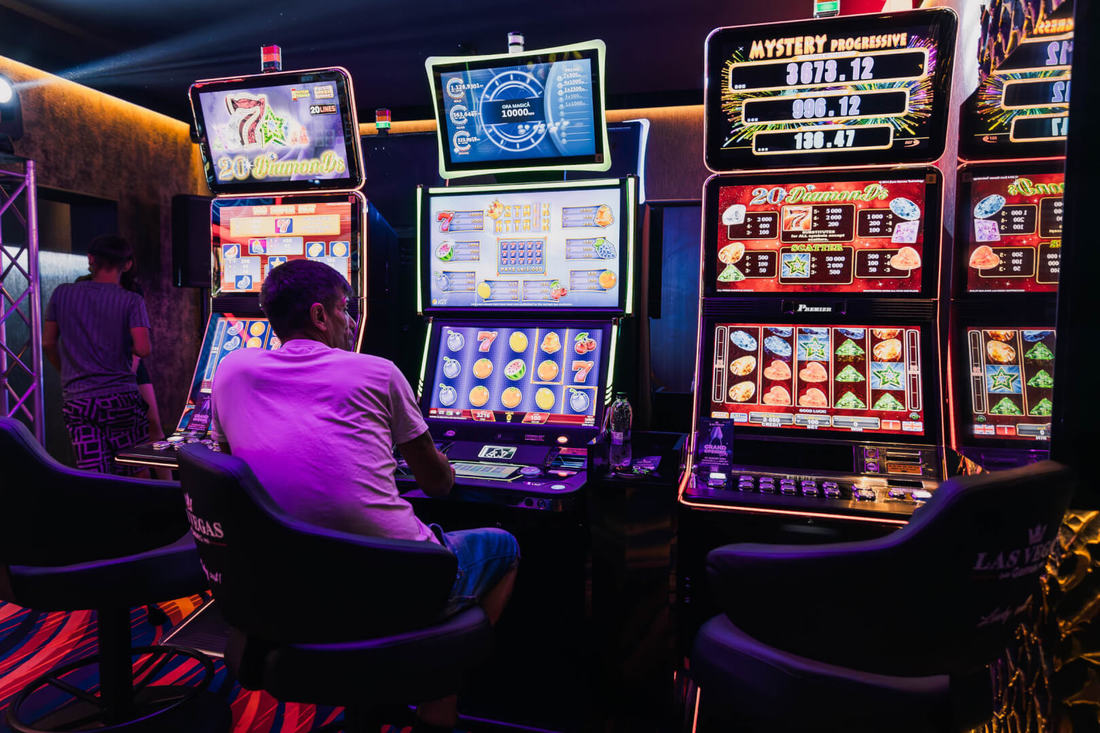
In 2025, the gambling industry in Romania remains heavily unregulated, yet increasingly shaped by tightened state control and regulatory pressure. Under the oversight of
Oficiul Național pentru Jocuri de Noroc ONJN (National Gambling Office), operators of both physical and online gambling must hold valid licences (Class I for B2C operators, Class II for B2B providers) to be legally allowed to offer slot machines, casino games, online sports betting and poker.
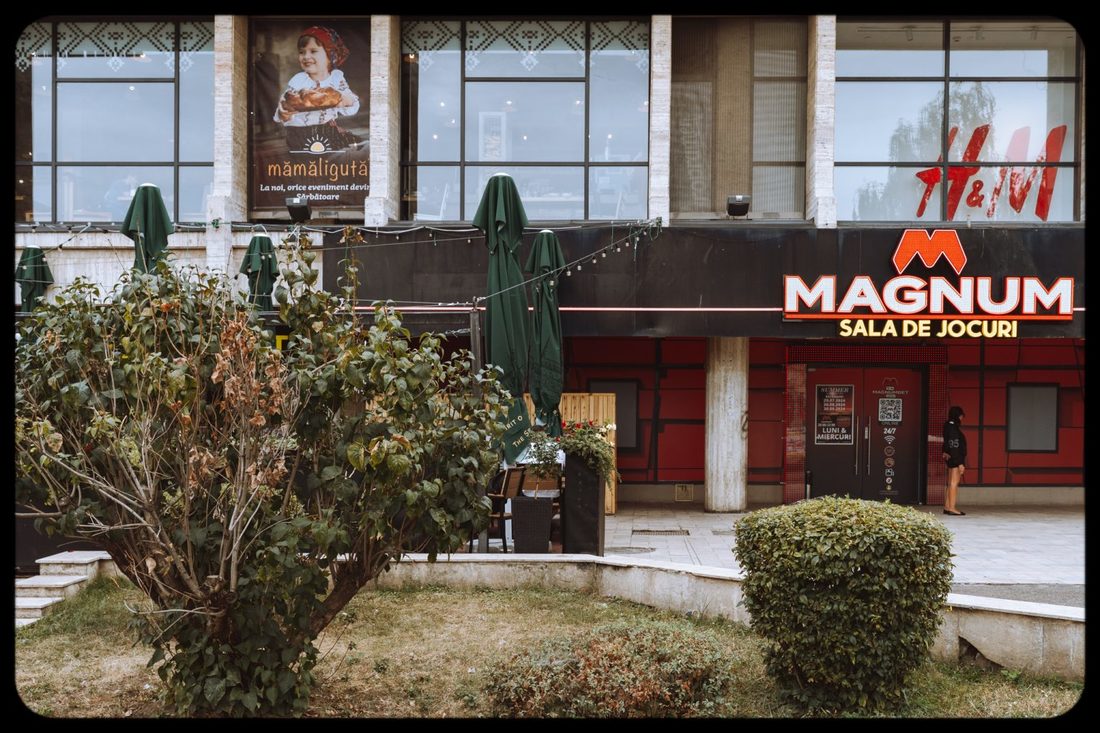
Recent legislative changes crystallized in Law 141/2025, which raised authorisation fees, increased financial guarantees for operators, and introduced stricter oversight, reporting obligations and traceability for both land-based gaming equipment and online platforms. These reforms come alongside broader 2024 and 2025 amendments, including geographic restrictions on slot-machine halls (banning them in towns under 15,000 inhabitants) and new rules aimed at prevention of fraud, money laundering, and under-age gambling.
Amid this regulatory tightening, the platform
Joc Responsabil plays a central and contested role. Officially presented as the leading industry-backed effort for prevention and support, the organization offers public awareness campaigns, psychological counselling, self-exclusion tools and outreach for vulnerable players. In practice, however, the model often ends up shifting the burden of “responsible gambling” onto individuals themselves. Instead of structural reforms that limit exposure, reduce predatory marketing, or restrict access (systemic measures that could address root causes), the focus remains on personal self-control, self-monitoring, and personal accountability. Thus, it becomes the individual player who must navigate temptation, control impulses, and seek help if needed.
Viewed through a broader lens, this dynamic reflects deeper traits of contemporary capitalism and the ethos of individualism. Under capitalism, market expansion and profit imperatives drive the proliferation of gambling venues and online platforms; the state regulates, but also profits via taxes, fees, and guarantees. Meanwhile, individuals are depicted as autonomous actors responsible for their own choices. The social narrative emphasizes personal responsibility over structural inequality, moral hazard over systemic risk. The result is a societal framework where gambling is legal, widespread, tightly regulated, in a way that places the moral and practical burden of harm prevention on the individual consumer rather than on industry or state. The emphasis is not on limiting supply or exposure, but on educating each person to “play responsibly.” In this way, late stage capitalism shifts risk and responsibility downward: from institutions to people; from structural factors to individual behaviour.
A Romanian multidisciplinary research,
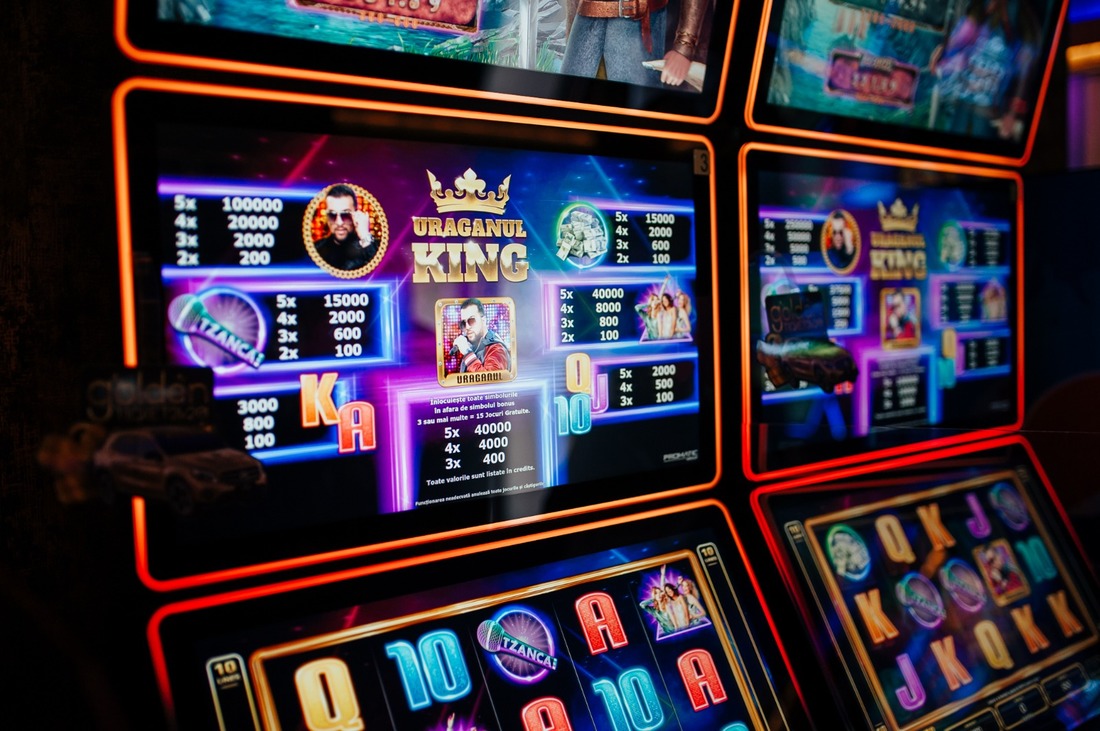
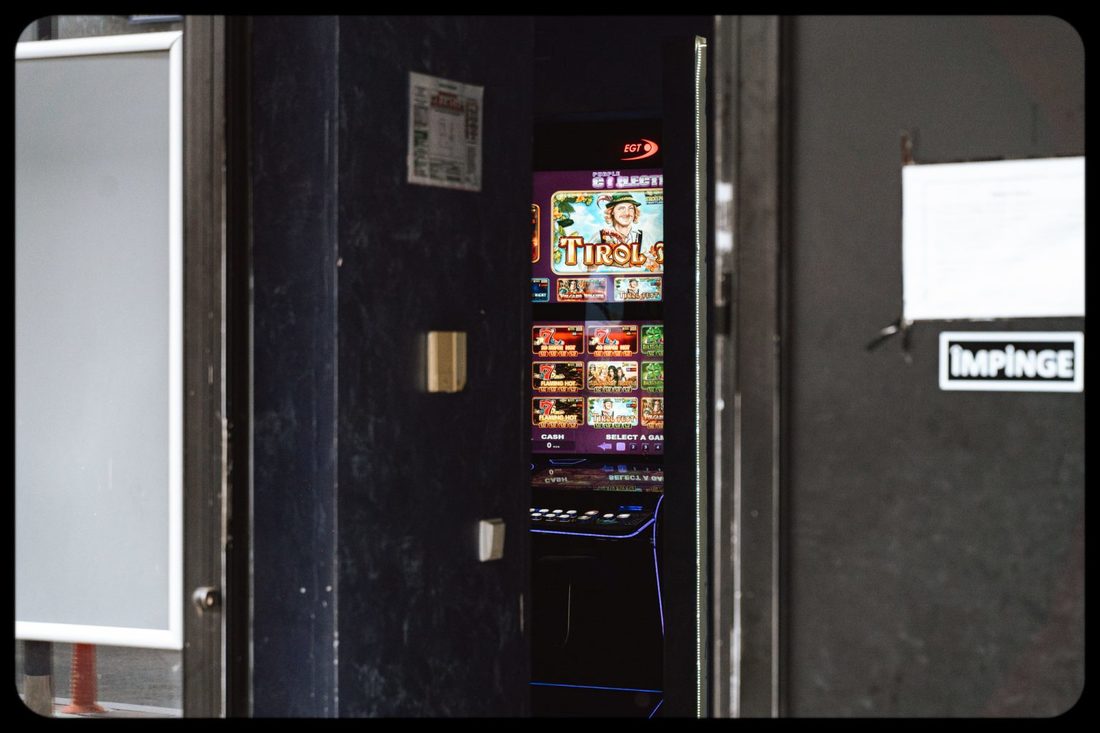
Teritoriu • Bani • Dependență (Territory • Money • Addiction), seeks to investigate how the proliferation of gambling venues intersects with socio-economic vulnerability, and how aggressive advertising and accessibility contribute to risking addiction among already disadvantaged groups. Through reportage and sociological inquiry, the resulted materials evoke various systemic problems: from advertising and media practices deliberately blurring moral boundaries (presenting gambling as harmless entertainment while masking its potential harms), to the urban spread of gambling spaces. The project explicitly addresses gambling addiction, its psychological and social consequences, and the degree to which for many individuals the “game” ceases to be entertainment and becomes a harmful compulsion.
Gambling in Romania is no longer a marginal phenomenon, but a social problem with public health implications, particularly so given the industry’s rapid growth in recent years. Gambling regimes shaped by stronger egalitarian principles and a more interventionist state offer a revealing counterpoint to the Romanian case. Norway is often dismissed as an “extreme” or non-transferable example, and comparisons are frequently rejected on these grounds. Yet this reflexive dismissal itself warrants scrutiny. A closer examination of Norway’s gambling framework reveals not an unrealistic utopia, but a set of deliberate policy choices that prioritize public welfare over market expansion—choices that expose how regulatory priorities can fundamentally reshape the social impact of gambling.
The
gambling sector in Norway remains under a strict state monopoly. Compared to Romania, where there are tens of private and state operators, in Norway only two state-owned operators are legally permitted to offer most forms of gambling: Norsk Tipping (lotteries, sports betting, online games, number games) and Norsk Rikstoto (horse-race betting). All other commercial, private, or offshore operators are generally banned from offering gambling services to Norwegian residents.
The gambling regulation is governed by a set of core laws (including the Lottery Act, the Gaming Scheme Act / Gambling Act, and the Totalisator Act), which together establish the monopoly framework and strict licensing prohibitions. The regulator,
Norwegian Gaming and Foundation Authority (Lotteri- og Stiftelsestilsynet), oversees licensing, compliance, and enforcement, including blocking foreign gambling websites and restricting unauthorized payment processing.
In 2025, the model remains politically supported: while there is public and political debate, as well as occasional criticism of regulatory failures, the state monopoly
continues to be defended as a means to ensure safety, consumer protection and social reinvestment of gambling profits. These profits from Norsk Tipping and Norsk Rikstoto are directed toward public services, such as culture, sports and social projects, aligning gambling with public welfare rather than private profit motives.
![La Roulette in the Casino, from Monte-Carlo, 2nd Serie (ca. 1910) by Georges Goursat [Sem] (1863-1934). Source: metmuseum.org](https://theatticmag.com/img/a/features/section/thegambler_dostoievski.jpg)